Same day upholstery cleaning St Margarets insider tips
If you need a sofa, armchair, dining chair or ottoman freshened up fast, same day upholstery cleaning in St Margarets can be a real lifesaver. Maybe the in-laws are coming round at 6pm, maybe the dog has had a moment, or maybe you have simply looked at the mark on the settee all week and thought, enough already. Truth be told, speed matters-but only if the clean is done properly.
This guide shares practical insider tips for booking and preparing a same day upholstery clean in St Margarets, what affects the finish, what to ask before the technician arrives, and how to avoid those annoying little mistakes that can turn a quick clean into a longer, damp, slightly stressful affair. You will also get a simple checklist, a realistic method comparison, and a few local-minded best practices that make the whole thing easier.
Let's get into the useful stuff.
Why Same day upholstery cleaning St Margarets insider tips Matters
When upholstery gets dirty, the problem is rarely just the stain itself. It is the timing. A coffee spill before guests arrive, muddy paw prints after a walk, a sudden odour in a rental flat, or a fabric sofa that has started to look tired in daylight-these are the moments where a same day service feels less like a luxury and more like damage control.
In a place like St Margarets, where homes can be compact, lived-in and often busy, people often need a cleaning solution that fits around real life. That means quick response times, sensible expectations, and a technician who can identify fabric type, stain risk and drying time without making a fuss. The insider tip here is simple: same day does not mean "rush everything". It means "prioritise the right steps quickly".
That distinction matters. Upholstery is more delicate than many people think. A fabric that looks robust may be prone to water marking. A velvet chair may react differently from a synthetic sofa. And if the wrong product is used first, you can end up chasing the damage rather than solving it. So yes, speed matters. But informed speed matters more.
Expert summary: if you want the best outcome from a same day upholstery clean, focus on fabric identification, stain details, access to the property, and drying conditions before anyone starts spraying or scrubbing. Those four things do a lot of the heavy lifting.
How Same day upholstery cleaning St Margarets insider tips Works
Same day upholstery cleaning usually follows a fairly tight process. The exact method depends on fabric, soil level and how urgent the job is, but the broad shape is similar.
- Initial enquiry and quick assessment. You describe the item, the fabric if you know it, the stain or odour, and your time window. A good cleaner will ask a few practical questions rather than promising miracles on the spot.
- Fabric check and treatment plan. The technician looks at the upholstery label where possible, tests a small hidden area, and decides whether low-moisture cleaning, hot water extraction, foam, or targeted stain work is safest.
- Pre-treatment. Spots, oils and traffic marks may be treated first. This is where detail matters. A dried food stain, for example, may need a different approach from a drinks spill.
- Agitation or fibre lift. Light brushing or controlled agitation helps loosen dirt. This should feel careful, not aggressive. If a cleaner is going at it like they are sanding a fence, that's a red flag.
- Extraction or wipe-down. Depending on the method, soil is lifted out and residue is removed. The aim is to leave the fabric cleaner without over-wetting it.
- Drying advice. The final bit is often overlooked. Open windows if suitable, run ventilation, avoid sitting on the item too soon, and keep pets off it until it is ready.
A same day service can be surprisingly efficient when the prep is right. In our experience, the jobs that go smoothly are the ones where the customer has already told the truth about the stain. Not the polished version. The truth. "It was red wine, then someone tried to fix it with washing-up liquid" is far more useful than "there is a mark on the sofa".
Key Benefits and Practical Advantages
There is a reason people search for fast upholstery cleaning rather than waiting a week or two. A good same day appointment can save time, reduce stress and stop a small incident becoming a lasting eyesore.
- Fast visual improvement: noticeable marks, surface grime and everyday wear can often be reduced quickly.
- Better stain control: fresh spills are usually easier to deal with than old, set-in stains.
- Less disruption: if you have work, childcare or visitors lined up, a same day slot can keep your week on track.
- Odour reduction: food smells, pet accidents and general mustiness often improve after a proper clean.
- Extended furniture life: regular cleaning removes embedded grit and residue that can wear fibres down over time.
- Confidence boost: there is a nice feeling in looking at a sofa and not feeling mildly annoyed every time you walk past it. Small thing, but real.
There is also a practical side people forget: cleaned upholstery can make a room feel brighter without replacing anything. You notice it in the evening light, when the room stops looking dulled by marks and starts looking like someone actually cares. Which, of course, they do.
If you are comparing broader soft furnishing care, you may also want to look at sofa cleaning, targeted stain removal and pet stain and odour removal for related problems that often come up in the same booking.
Who This Is For and When It Makes Sense
Same day upholstery cleaning is not for every situation, but it is ideal in a few common scenarios.
- Homeowners preparing for guests: family visits, dinner parties and last-minute room refreshes.
- Tenants and landlords: move-out cleanups, deposit-sensitive marks, and quick turnaround between occupants.
- Pet owners: accidents happen. Sometimes more than once. No judgement.
- Families with children: juice, snacks, crayons, and mystery sticky patches are part of the package.
- People with allergies or odour concerns: when soft furnishings have started to feel heavy or stale.
- Busy professionals: you may simply want the job done today, without blocking out a whole weekend.
It makes sense when the item is still worth saving, the stain is treatable, and the room can be aired properly afterwards. It makes less sense if the fabric is visibly damaged, the filling is compromised, or you need restoration-level work. A good cleaner should say that plainly. Better a slight disappointment than a bad clean.
For anyone thinking about a wider refresh rather than a single item, professional upholstery cleaning and curtain cleaning can be a smart pairing when the room has gathered dust and everyday build-up all together.
Step-by-Step Guidance
If you want the clean to go smoothly, treat it like a small project rather than a panic booking. Nothing dramatic. Just a bit of order.
1. Identify the item and fabric if you can
Check for a care label under cushions or on the frame. If the label is gone, note whether the fabric feels synthetic, wool-rich, velvet-like, leather-look, or blended. You do not need to be a textiles expert. Even a rough clue helps.
2. Explain the problem clearly
Tell the cleaner what caused the mark, when it happened, and what you have already tried. If you used a supermarket spray, say so. If you dabbed it with a towel and it spread, say that too. This is not a test.
3. Clear the area
Move side tables, ornaments and lamps if possible. A clear path saves time and reduces the risk of knocks. If the item is in a tight hallway or upstairs room, mention that when you book.
4. Allow for access and parking
Same day jobs are often tight on timing. If access is awkward, let the cleaner know whether there is parking nearby, stairs to climb, or a loading bay to use. Five minutes here can save fifteen later.
5. Ask about method and drying time
The right method depends on the fabric. Ask whether the process is likely to be low-moisture or deeper extraction and what the expected drying time is. You are not being awkward. You are being sensible.
6. Prepare for ventilation afterwards
Open a window where practical, keep heating moderate, and avoid heavy use of the furniture until it is dry. The soft hiss of a fan or a bit of moving air can make a big difference. Really.
7. Inspect the result before the technician leaves
Check the usual problem areas: arms, seat fronts, headrests and cushion piping. If a mark needs another pass, say so straight away. Once everything is packed away, fixes become more awkward than they need to be.
Expert Tips for Better Results
This is the section that saves people the most trouble. A few small decisions can improve the result more than a fancy product ever will.
- Act early on fresh spills. Blot gently with a clean absorbent cloth. Do not rub. Rubbing spreads the spill and can roughen fibres.
- Keep DIY products minimal. Strong chemicals, bleach-based sprays and "one weird trick" internet remedies can all make matters worse.
- Do not saturate the fabric. Upholstery is not a patio. Too much liquid can create rings, shrinkage or long drying times.
- Test before treating. A hidden patch is worth checking, especially on brighter colours or delicate weaves.
- Ask for the odour source, not just the smell. If there is a pet issue, moisture trapped in the cushion or underlay may need a different approach than a surface clean.
- Use airflow intelligently. A little ventilation beats blasting heat. Too much heat can cause headaches, and no one wants the living room to feel like a tumble dryer.
One useful insider tip: if a stain is old, do not expect it to vanish in a single pass. A good cleaner may improve it significantly, but some marks have chemically changed the fabric. That is not failure. That is just reality in a soft, absorbent material.
Another small thing: ask whether the cleaner can give you a realistic expectation before starting. A careful technician will usually say what is likely, what is uncertain and what may remain visible. That honesty is worth a lot.
Common Mistakes to Avoid
Most upholstery clean problems come from well-meant haste. Happens all the time.
- Using too much water at home: this often pushes the stain deeper and leaves a tide mark.
- Scrubbing hard: it can flatten the pile, distort the weave and spread the stain.
- Mixing cleaning products: not a good idea. At best, it does nothing. At worst, it creates residue or discolouration.
- Booking without giving full details: the cleaner may arrive without the right approach if they are not told about pets, severe staining or delicate fabric.
- Ignoring drying time: using the sofa too early can transfer dirt back onto the fabric or cause a damp smell.
- Assuming all fabrics clean the same way: they absolutely do not.
There is also a planning mistake that catches people out: forgetting that cushions, throws and rugs can hide the true condition of the furniture. Take five minutes to pull items away and see the full picture. You might find there are two problems, not one. Better to know now.
Tools, Resources and Recommendations
You do not need a cupboard full of gadgets to prepare for same day upholstery cleaning, but a few basic items help.
- Clean white cloths: useful for blotting without transferring dye.
- A soft brush: handy for lifting loose debris before a visit.
- Good lighting: natural daylight or a bright lamp helps you spot stains properly.
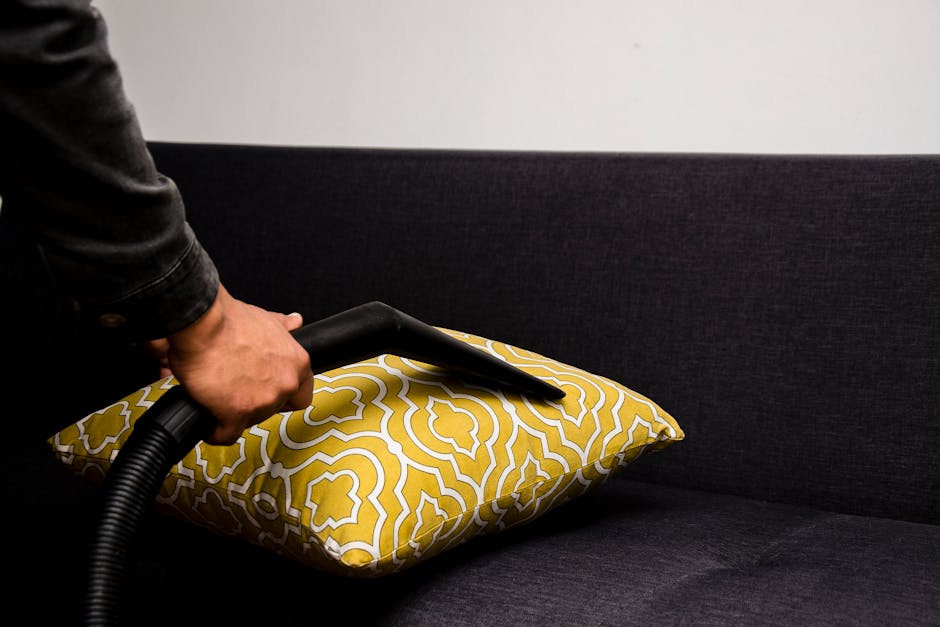
- Vacuum with upholstery attachment: useful for crumbs, hair and grit before cleaning begins.
- Notebook or phone notes: write down the stain source, how long it has been there and what you used on it.
If you are looking at related services, it can also help to compare upholstery care with rug cleaning or mattress cleaning, because the same questions about fibres, moisture and drying come up there too.
For cost and booking questions, the most sensible starting point is usually the company's pricing and quotes information. If you want to understand service standards, safety or how a provider handles concerns, pages such as insurance and safety, health and safety policy and terms and conditions are worth a quick read. Not glamorous, but useful.
Law, Compliance, Standards, or Best Practice
For upholstery cleaning, the most important compliance point is practical rather than dramatic: the work should be carried out safely, with appropriate care for the fabric, the property and anyone in the home. A reputable provider should be insured, clear about their process, and careful with chemicals, electrical equipment and wet floors.
In the UK, best practice usually means the cleaner should:
- use suitable products for the fabric type;
- carry out a spot test where needed;
- avoid unnecessary over-wetting;
- manage slip risks from hoses, moisture and equipment;
- explain any limitations honestly;
- respect access, privacy and property condition.
It is also sensible for customers to look for straightforward policies on payments, complaints and personal data. That does not mean reading every line with a mug of tea and a highlighter, unless you enjoy that sort of thing, but it does mean knowing where to check if something needs clarification. A transparent business makes that easy.
If sustainability matters to you, it is worth checking whether the company has clear recycling and waste practices. Soft furnishings cleaning can produce waste water, cloths and packaging, and responsible handling is a nice sign of a well-run operation. For that, see the page on recycling and sustainability.
Options, Methods, or Comparison Table
Different upholstery jobs need different methods. Here is a simple comparison to help you see what tends to suit what. It is not absolute, just a practical guide.
| Method | Best for | Pros | Watch-outs |
|---|---|---|---|
| Low-moisture cleaning | Everyday grime, lighter fabrics, fast turnaround | Often quicker drying, less disruption | May not suit very deep staining |
| Hot water extraction | Heavier soiling, robust upholstery, deeper cleaning | Can lift embedded dirt well | Over-wetting risk if used poorly |
| Foam or solvent-led treatment | Delicate materials or targeted stain work | Useful where full saturation is unwise | Needs careful application and testing |
| Spot treatment only | Small isolated marks | Fast and focused | May not refresh the whole item evenly |
For many same day jobs, the cleaner will combine methods rather than relying on one approach alone. That is usually the sensible route. Furniture is not one-size-fits-all, despite what some quick-fix adverts imply.
Case Study or Real-World Example
Here is a realistic example from the sort of job people often call about on short notice.
A household in St Margarets had a pale fabric sofa with a fresh tea spill on one cushion and older food marks on the front edge. Guests were due that evening, and the family wanted the room to look presentable without replacing the cushion covers or hiding everything under throws.
The first step was identification. The sofa fabric was synthetic and reasonably robust, but the spill had already been dabbed with a damp cloth, which had spread the mark slightly. The cleaner used a targeted pre-treatment for the tea stain, followed by a controlled overall clean of the cushion face to avoid patchiness. The seating area was then dried with good airflow and a sensible wait time before use.
The result was not "brand new" and nobody pretended it would be. But the obvious mark was reduced, the sofa looked fresher, and the room felt presentable for the evening. That is often the real goal with same day upholstery cleaning: a meaningful improvement that changes how the room feels, not a theatrical miracle.
And yes, the family stopped worrying about the sofa every time they walked past it. Which, if you have ever hosted people on a stressful day, you know is half the battle.
Practical Checklist
Use this checklist before your same day appointment.
- Identify the item to be cleaned.
- Check for any fabric care label.
- Note the stain source and approximate age.
- Tell the cleaner about any DIY products already used.
- Clear side tables, ornaments and clutter from the area.
- Make a note of access details and parking if relevant.
- Ask how long the item is likely to take to dry.
- Keep pets and children away during the clean.
- Open windows or plan ventilation where practical.
- Inspect the item before the cleaner leaves.
Quick reminder: the best same day result usually comes from clear communication, not from pushing the technician to hurry. Fast is good. Fast and informed is better.
Conclusion
Same day upholstery cleaning in St Margarets is most effective when you treat it as a smart, focused service rather than an emergency scramble. Know the fabric if you can, describe the problem honestly, prepare the space, and ask sensible questions about method and drying time. That is the real insider edge.
In the end, the best clean is the one that leaves your furniture looking fresher, feels manageable on the day, and does not create new problems. Simple enough, but it makes a big difference. And if you are dealing with a sofa stain, a pet accident or a room that just needs a proper reset, getting help quickly can take a weight off your shoulders.
Get a free quote today and see how much you can save.
Sometimes the nicest feeling is not a spotless sofa. It is the quiet relief of knowing the room is back on your side.
Frequently Asked Questions
How fast can same day upholstery cleaning usually happen in St Margarets?
It depends on appointment availability, travel time and the size of the job. For a single sofa or chair, same day is often more realistic than for a full house of furniture. If the cleaner has a nearby route and the details are clear, things can move quickly.
Can all upholstery fabrics be cleaned the same day?
No, and that is where careful judgement matters. Some fabrics are robust and suitable for quicker treatment, while others need a gentler method or more testing. Velvet, delicate blends and older fabrics need extra care.
Will same day cleaning remove every stain?
Not always. Fresh stains have a better chance than old, set-in marks, but some spills change the fibre permanently. A good cleaner should tell you what is realistic before starting.
How long does upholstery take to dry after cleaning?
Drying time varies by fabric, method and airflow. Low-moisture cleaning can dry faster, while deeper extraction may take longer. Ventilation, room temperature and how heavily the item was treated all play a part.
Is same day upholstery cleaning suitable for pet accidents?
Yes, often it is one of the best reasons to book quickly. Pet stains and odours can settle into fibres and padding if left too long. The key is to mention exactly what happened so the cleaner can use the right approach.
Should I vacuum the sofa before the cleaner arrives?
Yes, if you have time. Removing crumbs, hair and surface dust helps the cleaning process and makes stain treatment more effective. It does not need to be perfect, just decent.
What should I tell the cleaner when I book?
Share the furniture type, fabric if known, stain source, stain age, any previous products used, access issues and whether there are pets or children in the home. The more useful the details, the better the outcome tends to be.
Is hot water extraction always the best option?
No. It is useful for some upholstery, but not every item should be treated that way. Delicate or moisture-sensitive fabrics may be better suited to a low-moisture or targeted method.
Can I sit on the sofa straight after cleaning?
Usually it is better to wait until the fabric is properly dry. Sitting on it too soon can flatten damp fibres, transfer dirt back onto the fabric or slow drying down. A little patience saves annoyance later.
What are the biggest mistakes people make before a same day clean?
The biggest ones are scrubbing stains, using too much liquid, hiding the real cause of the mark, and not allowing enough drying time. Also, forgetting to clear the area. That one happens more than people admit.
How do I know if the company is trustworthy?
Look for clear service information, sensible policies, straightforward pricing guidance and evidence that the provider treats safety and complaints properly. A trustworthy company will answer practical questions without making everything sound mysterious.
Is same day upholstery cleaning worth it for older furniture?
Often yes, if the item still has useful life left in it. A good clean can refresh appearance and reduce odours, even if it does not erase every sign of wear. For furniture you still like, that can be a very worthwhile result.