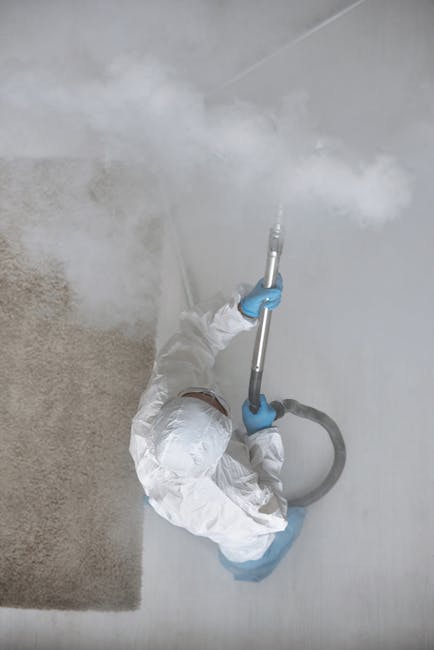
Marble Hill Park carpet cleaning and stain rescue
If a spill has turned a decent carpet into a source of stress, you are not alone. A dropped glass of red wine, muddy footprints after a walk, a pet accident, or a mystery mark that appeared somehow overnight can all make a room feel untidy in a way that is hard to ignore. Marble Hill Park carpet cleaning and stain rescue is about more than making fibres look brighter; it is about stopping a stain from settling in, protecting the carpet underneath, and getting your home or business back to normal without guesswork.
In practice, the best results usually come from calm, methodical treatment rather than panic and scrubbing. That sounds simple, but there is a real difference between a surface mark and a stain that has worked into the pile, the underlay, or the backing. This guide explains how stain rescue works, what methods are safe, when professional help makes sense, and how to avoid the common mistakes that can make things worse. If you want a straightforward, local-minded overview with real-world guidance, you are in the right place.
Why Marble Hill Park carpet cleaning and stain rescue Matters
Carpets do a lot of quiet work. They soften footsteps, reduce noise, and make a room feel warm rather than echoey. But they also catch everything life throws at them: tea, coffee, food oils, pet mess, tracked-in grit, damp from shoes, and the occasional "how on earth did that happen?" mark. Around Marble Hill Park, where homes often see a steady flow of family life, visitors, pets, and day-to-day movement, carpets can pick up wear more quickly than people expect.
Stain rescue matters because time changes the job. A fresh spill might sit on the surface for a few minutes, but once liquid spreads into the pile and dries, it can bond with fibres or leave a residue that attracts more dirt. Some stains oxidise and become darker over time; others set because heat, agitation, or the wrong cleaning agent pushes them deeper. Truth be told, a lot of damage happens in the first ten minutes.
There is also the hygiene side, which gets overlooked. Food spills can leave sticky patches. Pet accidents can create odour problems. Heavy foot traffic can compact soil into the carpet until it looks dull even after vacuuming. If you let these problems sit, the carpet can become harder to clean and, in some cases, start to smell stale. That is not great for any room, let alone a place where people want to relax.
For homeowners, tenants, landlords, or small businesses nearby, a sensible cleaning routine can protect the carpet investment and keep the property looking cared for. If you need broader support beyond one stubborn mark, the main carpet cleaning service is usually the right starting point, while more targeted issues may need specialist stain removal or even pet stain and odour removal.
Expert summary: the sooner a stain is dealt with, the better the odds. Blot first, identify the material if you can, and avoid over-wetting. A careful approach beats a dramatic one every time.
How Marble Hill Park carpet cleaning and stain rescue Works
Good carpet cleaning is not just "spray and scrub." In a proper stain rescue process, the cleaner first assesses the carpet type, the stain type, the backing, and the likely cause of the mark. Wool, synthetic blends, and delicate rugs all behave differently. A protein stain from milk or blood needs a different response from an oily stain, and both differ again from a dye transfer or a pet accident. That is why the first look matters.
A well-run process usually follows a few stages. First comes inspection and testing. Then dry soil is removed as much as possible, because loose grit can scratch fibres and make later cleaning less effective. After that, the stain itself is treated with a suitable solution, ideally one that matches the chemistry of the stain rather than attacking it blindly. Depending on the situation, steam extraction, low-moisture treatment, or targeted spot work may follow. If the room needs a broader refresh, steam carpet cleaning can help lift deeper dirt from the pile.
The important thing is control. Using too much water can spread a stain, weaken adhesive, or create a long drying time. Using too much product can leave residue that attracts dirt later. Using the wrong brush can rough up the pile or distort the texture. Easy to say, harder to get right in the middle of a mess on a Tuesday evening.
Professional stain rescue also involves drying and post-checks. A carpet should not just look better for ten minutes and then dry into a shadowy outline. After treatment, the area should be checked for remaining colour, texture changes, or wicking, which is when a stain rises back to the surface as the carpet dries. That last bit catches people out more often than they think.
For rugs and upholstered pieces in the same room, the approach changes again. A matching stain on a chair arm, for example, may need upholstery cleaning, while a decorative floor piece might need rug cleaning. If the spill spread onto a sofa cushion, sofa cleaning can be the safer route.
Key Benefits and Practical Advantages
The obvious benefit is appearance. A brighter carpet makes a room feel cleaner almost immediately. But the practical advantages go a bit further than that, and honestly, that is where the value really shows up.
- Better stain recovery: Acting early gives you a far better chance of lifting the mark before it bonds with the fibres.
- Improved indoor freshness: Removing spills, residue, and trapped soil can reduce stale smells and make a room more pleasant.
- Longer carpet life: Grit and residue wear fibres down over time. Routine cleaning helps slow that process.
- More consistent appearance: Proper treatment reduces patchiness, cleaning rings, and obvious traffic lanes.
- Safer for everyday use: Clearing residue can make carpets less slippery and less sticky underfoot, especially in busy homes.
- Better property presentation: Useful for landlords, hosts, offices, and anyone who wants the place to look looked after.
One thing people notice after a proper clean is the texture. Carpets can feel softer, fuller, and less flat, especially in walkways. Not every stain vanishes perfectly, to be fair, but removing the contamination usually improves both the look and the feel quite a lot.
There is also a confidence benefit. Once the room is clean again, you stop worrying about whether the mark will spread, smell, or return. That peace of mind matters more than people expect. It's a small thing, but not really small at all when you live with it every day.
Who This Is For and When It Makes Sense
Marble Hill Park carpet cleaning and stain rescue makes sense for a wide range of people. It is not only for visible disasters. In many homes, the need is quieter than that: traffic lanes near the hallway, a tea mark under the coffee table, the edge of a dining chair area, or a pet-related patch that keeps reappearing after drying. Those are exactly the kinds of situations where early intervention pays off.
This service is a strong fit if you are:
- a homeowner who wants to restore a tired-looking carpet
- a tenant preparing for a move-out inspection
- a landlord getting a room back into rentable condition
- a family dealing with spills, pets, or general wear
- a small business owner wanting presentable floors for customers or staff
- someone with a rug, sofa, or upholstered item that needs more than a quick wipe
It also makes sense when you have tried the usual household methods and the stain has not budged. That does not mean the carpet is ruined. It may simply mean the mark needs the right treatment rather than stronger pressure. A common scenario is a spill that looks better while damp, then dries into a pale ring or a darker halo. That is often treatable, but it should be handled carefully.
If the issue is widespread rather than isolated, think in terms of a full-room refresh rather than spot rescue alone. A decent clean can remove general soil that spot treatment will never touch. If you are comparing options or planning a larger clean, pricing and quotes is a sensible place to understand how the job may be assessed. And if you want to know more about the business behind the service, the about us page is worth a look.
Step-by-Step Guidance
If a stain happens now, the first few actions matter most. Here is a practical order that works well in real life, not just in theory.
- Act quickly, but calmly. Grab a clean white cloth or paper towel and blot the spill. Do not rub. Rubbing spreads the stain and can rough up the pile.
- Remove solids first. If there is food, mud, or other debris, lift it carefully with a spoon or dull edge. Keep pressure light.
- Work from the outside in. This helps stop the stain from spreading outward and creating a bigger problem.
- Use only a small amount of suitable solution. Mild, carpet-safe treatment is usually better than strong product overload. Less drama, more control.
- Blot again. Lift moisture rather than scrubbing it around. Repeat until the cloth stops picking up colour.
- Rinse lightly if needed. A tiny amount of clean water can help remove residue, but avoid soaking the patch.
- Dry carefully. Use airflow and patience. A fan or open window can help. Heavy heat is not always your friend.
- Check once dry. Some stains reappear as a ring or shadow. That is often a sign of wicking, not failure.
For larger or more delicate jobs, it is better to step back before the stain turns into a DIY experiment. That is especially true for wool carpets, antique rugs, or mixed-fibre textiles. A cautious approach protects the carpet and keeps the cleaning job manageable.
When the stain is mixed with odour, or the carpet has taken on a pet-related smell, targeted treatment may help more than general cleaning alone. In those cases, the best results often come from combining stain treatment with pet stain odour removal rather than trying to mask the smell.
Expert Tips for Better Results
There are a few habits that make a real difference, and they are easy enough to remember once you've seen a few carpets up close.
- Test first on an inconspicuous area. Even a safe-looking product can react badly with certain dyes or finishes.
- Use white cloths. Coloured towels can transfer dye, which is the sort of mistake that makes a bad day slightly worse.
- Pat, don't scrub. Scrubbing pushes the stain deeper and can create a worn patch.
- Keep heat low. Heat can set some stains, especially protein-based ones.
- Watch the backing. If liquid soaks through, the problem may be in the underlayer, not just the pile.
- Allow proper drying. A carpet that stays damp for too long can develop odour and attract new dirt faster.
- Deal with edges and high-traffic zones together. A single treated patch may stand out if the surrounding area is still dull.
One useful practical tip: if a stain is near a wall, skirting board, or furniture leg, protect the surroundings before you start. It sounds obvious, but spills have a knack for travelling sideways just when you think they are staying put. Also, use a little restraint with product. More solution does not automatically mean more cleaning power. Sometimes it just means more rinsing later.
If you are dealing with a delicate textile elsewhere in the room, such as curtains or a favourite throw, it may be worth linking the job with curtain cleaning or even mattress cleaning if the issue has spread into other soft furnishings. A whole-room approach often makes the result feel more complete.
Common Mistakes to Avoid
A surprising number of carpet problems come from good intentions. People want to fix the stain quickly, so they go hard at it. Sadly, carpets are not impressed by enthusiasm alone.
- Rubbing aggressively: This is the classic one. It spreads the stain and can distort fibres.
- Using too much water: Over-wetting can push dirt down and create wicking later.
- Applying random cleaners: Not every household cleaner is carpet-safe. Some can bleach, stain, or leave sticky residue.
- Skipping drying time: Walking on a damp area can flatten fibres and bring back soil from shoes.
- Mixing products: This can create unpredictable reactions and is not worth the risk.
- Ignoring the cause: If a spill keeps returning, the source may be below the surface or inside a cushion or underlay.
Another mistake is waiting too long because the stain looks "not too bad" after blotting. A faint shadow can still become permanent if it is left alone. And if you are unsure whether the stain is organic, oily, or dye-based, a cautious professional assessment is usually safer than a guess. That sounds a bit dramatic, but carpet chemistry can be fussy. Fussy in the most inconvenient way.
For broader concerns about care, damage, and trust, it helps to use a provider with clear policies. If you want reassurance on process and standards, the site's health and safety policy, insurance and safety, and terms and conditions pages are sensible reading before booking any work.
Tools, Resources and Recommendations
You do not need a room full of equipment to handle a basic spill well. A few sensible items cover most everyday incidents.
| Tool or item | What it helps with | Practical note |
|---|---|---|
| White cloths or paper towels | Initial blotting and moisture removal | Best for seeing how much colour is coming up |
| Dull spoon or scraper | Lifting solids like food or mud | Use gently to avoid damaging the pile |
| Carpet-safe spot cleaner | Treating fresh marks | Test first on a hidden area |
| Soft brush | Light fibre lifting after cleaning | Use sparingly and with a light hand |
| Clean water spray | Light rinsing | Avoid soaking the area |
| Fan or open window | Drying the treated patch | Good airflow helps prevent lingering dampness |
For more involved cleaning, the right method depends on the fibre and the stain. Steam extraction works well for many synthetic carpets, while more delicate materials may need lower moisture and more controlled stain treatment. If you are not sure which direction to take, a specialist assessment is usually the safest route. For example, mixed textiles in the same room often benefit from combining sofa cleaning and upholstery cleaning rather than treating each fabric as if it were identical. It never is.
There are also practical service pages that help with related decisions. If you are comparing care for a work space, commercial carpet cleaning covers higher-traffic use, while recycling and sustainability may be useful if you care about waste handling and broader environmental practice.
Law, Compliance, Standards, or Best Practice
Carpet cleaning is not a heavily regulated trade in the way some technical services are, but it still sits within normal UK expectations around safety, care, consumer transparency, and responsible working practice. That means clear pricing, sensible product use, careful handling of fabrics, and honest communication about what can and cannot be removed.
From a practical best-practice point of view, a cleaner should assess risk before starting, especially where there are pets, children, delicate fibres, electrical sockets nearby, or signs of damp. Good practice also means explaining likely outcomes carefully. Some stains can be reduced dramatically but not erased completely, particularly if they have already set or changed colour. A trustworthy approach is better than a bold promise that later turns awkward.
If work is being done in a busy household or business, insurers and landlords often care less about flashy claims and more about whether the job was handled safely and documented properly. That is why clear policies matter. A reputable provider should be able to point you to information about safety, insurance, payment handling, and complaints if needed. Those things are not exciting, granted, but they are part of a professional service.
For that reason, useful supporting pages include payment and security, privacy policy, and complaints procedure. None of that cleans a carpet by itself, obviously, but it does help build trust before the first bucket is even lifted.
Options, Methods, or Comparison Table
Different stain and carpet situations call for different approaches. The best method is not always the strongest one; it is the one that matches the problem.
| Method | Best for | Strengths | Watch-outs |
|---|---|---|---|
| Blotting and spot treatment | Fresh spills and isolated marks | Fast, low-risk, easy to control | May not remove deep-set residue |
| Hot water extraction / steam cleaning | General dirt plus some stains | Deep cleaning, good for larger areas | Needs proper drying and suitable fibre type |
| Targeted stain rescue | Set marks, ring marks, pet accidents | More precise than blanket cleaning | Requires correct stain identification |
| Low-moisture cleaning | Delicate materials or quicker turnaround | Less water, faster dry time | May not suit very heavy contamination |
A practical example: if a hallway carpet has muddy footprints and one tea stain, a full clean plus targeted spot treatment is usually a better fit than treating only the tea mark. On the other hand, if the carpet is otherwise clean and the issue is a single spill, focused stain rescue may be enough. That judgement call saves time and often saves money too.
Case Study or Real-World Example
Here is a simple real-world style scenario. A family near Marble Hill Park notices a pale patch in the living room carpet after a weekend gathering. Someone has knocked over a drink, the area was wiped quickly, and by the next morning the mark looks lighter but more spread out. A ring has started forming. That is a very common pattern.
The first step is not to attack the patch again. Instead, the area is inspected to work out whether it is a drink stain, a residue mark, or wicking from beneath the pile. A small test area is checked, then the stain is treated carefully with a suitable spot solution. The surrounding area is cleaned lightly to blend the appearance. Once dry, the carpet is assessed again to make sure the mark has not returned from below.
In this kind of case, the visible improvement often comes from a combination of stain treatment and broader carpet cleaning, not from one magic product. The room looks better because the isolated mark is dealt with and the surrounding fibres no longer look tired. The difference is subtle at first, then suddenly obvious. That's usually how it goes.
A similar process works for pet-related incidents, except the treatment focuses more on odour and residue. If the accident has penetrated deeper, the surrounding area may need more than surface cleaning. This is where specialist pet stain odour removal earns its keep.
Practical Checklist
Use this quick checklist if you are dealing with a carpet stain at home or planning a professional clean.
- Identify the stain type if possible: drink, food, mud, pet, ink, oil, or unknown.
- Blot gently with a clean white cloth.
- Do not scrub or over-wet the area.
- Test any cleaner on a hidden corner first.
- Keep strong heat away from protein-based stains.
- Watch for wicking as the carpet dries.
- Check whether the stain has spread to the underlay or backing.
- Consider whether the whole room needs cleaning, not just the spot.
- Let the carpet dry fully before heavy foot traffic returns.
- Use a professional service if the fibre is delicate, the stain is old, or the result matters a lot.
If you are preparing to book work, it is also sensible to review the provider's about us information and then move through the practical details on pricing and quotes. Simple, but useful.
Conclusion
Marble Hill Park carpet cleaning and stain rescue is really about giving the carpet the right kind of attention at the right time. Sometimes that means quick blotting and a careful spot treatment. Sometimes it means a fuller clean to lift dirt, restore texture, and deal with stains that have already settled in. The key is not to rush, not to overdo it, and not to assume every mark is permanent.
When you understand the stain, choose the right method, and avoid the usual mistakes, you give yourself the best chance of a good result. And if the job feels too delicate or too important to risk, that is a perfectly sensible point to bring in experienced help. No shame in that. Carpet problems are much less dramatic when they are handled properly.
Get a free quote today and see how much you can save.
Whether you are dealing with one stubborn mark or a whole room that needs a reset, a careful, thoughtful clean can make the space feel calmer again. Sometimes that fresh start is exactly what a room needs.
Frequently Asked Questions
What is the best first step after a carpet stain happens?
Blot the spill gently with a clean white cloth and avoid rubbing. If there is any solid material, lift it carefully first. Quick, calm action usually gives the best chance of recovery.
Can all carpet stains be removed completely?
Not always. Some stains set, oxidise, or change the dye in the carpet fibres. Many marks can be significantly improved, though, especially if they are treated early and correctly.
Is steam cleaning safe for every carpet?
No. Steam cleaning works well for many carpets, but delicate fibres, rugs, and certain finishes may need a gentler method. The carpet type matters as much as the stain itself.
Why does a stain sometimes come back after cleaning?
That is often wicking. Moisture from deeper in the carpet rises to the surface as it dries, bringing old residue back with it. It can look annoying, but it does not always mean the clean failed.
Should I use a strong household cleaner on a stain?
It is safer not to guess. Strong cleaners can bleach, spread, or set a stain, especially on wool or blended fibres. A carpet-safe product and a test patch are much wiser.
How do I know if a stain needs professional help?
If the stain is old, large, smelly, on a delicate carpet, or still visible after gentle treatment, professional help is usually worth considering. Pet accidents and dye transfer are also common reasons to call in support.
What is the difference between spot cleaning and full carpet cleaning?
Spot cleaning targets one marked area. Full carpet cleaning treats the wider room or section, which helps with general soil, traffic lanes, and any uneven appearance around the stain.
How long does carpet cleaning usually take to dry?
Drying time varies by carpet type, room airflow, humidity, and how much moisture was used. Lower-moisture methods dry faster, while deeper cleans naturally take longer.
Do pet stains need special treatment?
Yes, often they do. Pet accidents can leave both colour and odour in the pile or backing, so a targeted approach is better than standard cleaning alone.
Can a rug or sofa be cleaned the same way as a carpet?
Not usually. Rugs and upholstery have different fibres, backings, and construction, so they need their own method. That is why services like rug cleaning and sofa cleaning exist separately.
How can I prevent future stains from becoming permanent?
Vacuum regularly, deal with spills quickly, use furniture protection where needed, and avoid harsh DIY products. The earlier a stain is dealt with, the better the outcome tends to be.
What should I ask before booking a cleaning service?
Ask about the method used, drying expectations, whether the carpet is suitable for treatment, and how any complaints are handled. It is also sensible to check insurance and safety information before booking.
If you need help with a fresh spill, a stubborn mark, or a carpet that just looks tired, the next step is simple: choose a careful approach and act before the stain settles in any further. That little bit of timing makes all the difference, more often than not.